
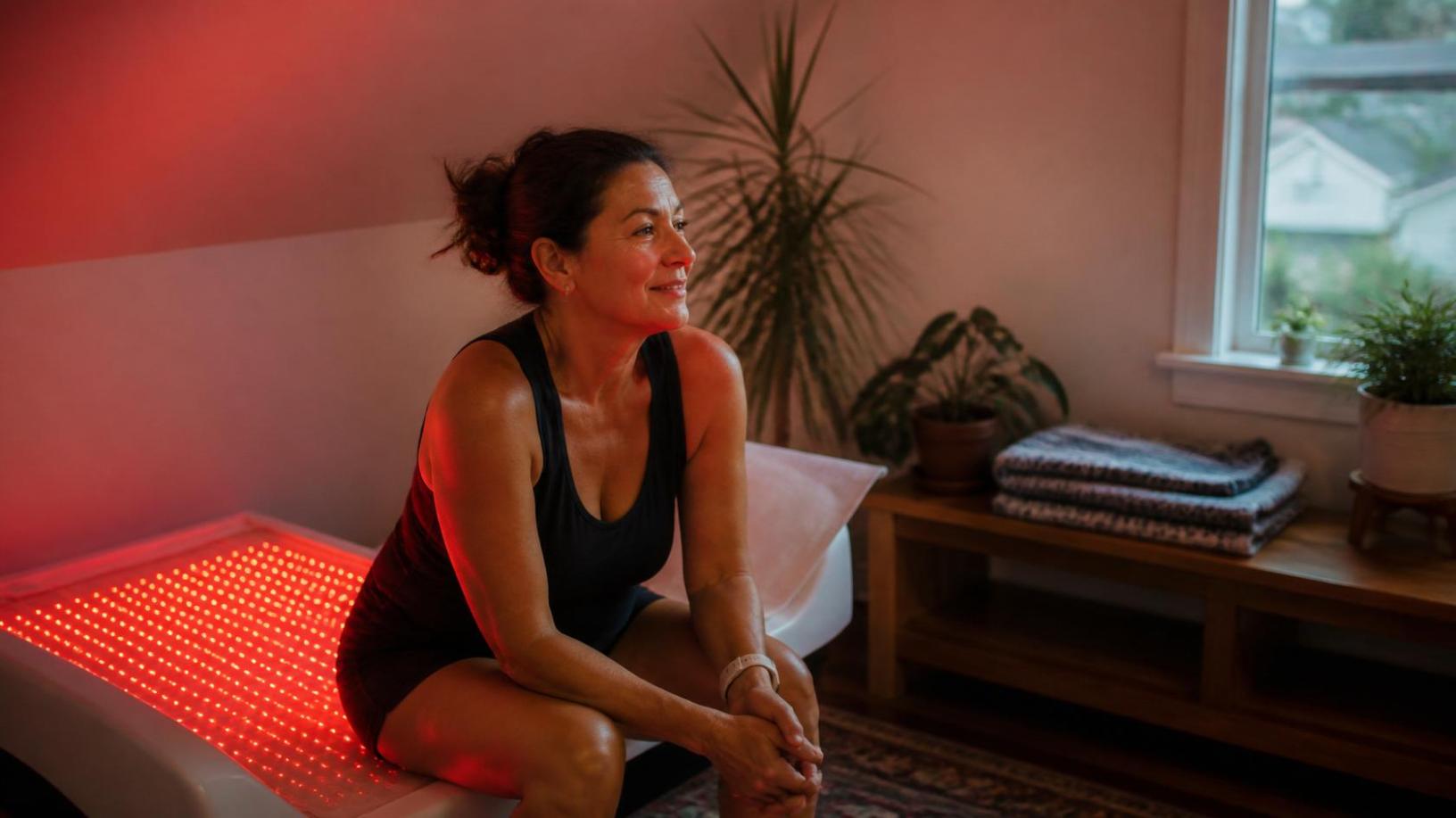
Household management induces an exclusive kind of fatigue. Unlike the exhaustion of a single poor night of sleep, this is the conglomerate weariness of the school drop-off, a full day of work, grocery runs, and the constant mental overhead of keeping a family sustained and operational.
More and more families are turning to red light therapy systems, also known as photobiomodulation devices, to help claw back some of their lost energy, and the case for making the purchase keeps getting stronger.
I learned of this technology from a neighbor, a mother of three. She mentioned, almost casually, her use of a red light panel in her garage. She was talking about her morning workouts, not selling anything. She said her knee pain was simply gone. No advertisement works as well as that kind of offhand endorsement.
Why Households Are Paying Attention
You do not need an advanced degree to understand why this is catching on. The one stretch of the day when a family goes quiet and holds still is when everyone is finally asleep. Parents push through pain from normal wear and tear because a new day means new lunches to make.
Teens develop postural problems from too many hours bent over their phones. Elderly family members deal with stiffness from sitting too long. A device that asks very little of the user in terms of time and effort is a far more practical solution than most of the alternatives.
Clinical applications of red and near-infrared light have historically centered on cellular energy stimulation, tissue regeneration, and inflammation management. The main barrier has always been access. The hardware required to deliver this form of therapy has gotten smaller and far more affordable.
What used to exist only in hospitals and elite athletic training facilities can now sit in a home gym or a garage corner.
The Real Cost Conversation
Price tends to be the first and only number people look at when they consider this technology. Home units range from a few hundred dollars to several thousand, depending on size and output. But the more useful question is, “What have you already been spending to treat the same condition?”
Multiple chiropractor visits, over-the-counter medications, therapy copays, and regular massage sessions add up quickly. Many families are genuinely surprised when they total it up. What looks like a luxury purchase starts to look more like sound budgeting.
One client I worked with was a contractor. His job kept him crawling under things or leaning at awkward angles for hours, and his lower back paid for it. He had been going to massage therapy every two weeks for years.
Once he started replacing most of those appointments with fifteen-minute sessions on a home light panel, his spending dropped and his recovery stayed consistent. He put it plainly: “I’m not saying I eliminated massage therapy. I definitely go less, and honestly I feel just as good if not better most weeks.”
Beyond the Physical
There is something harder to quantify that families keep bringing up. When people integrate one of these systems into the household, small rituals tend to form around it. A teenager will use it after practice while going over notes on a tablet.
A parent running on empty will sit under the light for a few minutes as a quiet break after a long afternoon of managing everyone else. These are not dramatic moments. They are small ones, and that is exactly the point.
The light session does real work at a cellular level. The stillness that comes with it does something else. A moment of genuine quiet in the middle of a chaotic day is worth more than most people account for.
What to Look For Before Buying
Not all devices are made equal. The most effective red light therapy panels use a combination of red light at around 660 nm and near-infrared light in the 830 to 850 nm range, which together address both surface-level and deep tissue concerns.
If the device is underpowered, it will not produce therapeutic effects, and you will end up spending more time under it to get the same result.
Safety features matter, particularly in a home with children and elderly family members. Look for low-EMF output, built-in timers that shut the device off automatically, and a solid warranty that signals the manufacturer intends to stand behind the product long-term.
A Household Habit Worth Building
After watching her granddaughter’s family make regular use of a red light device to manage arthritis, one grandmother picked up the habit herself and started treating it as an evening ritual, something like a quiet family coffee hour but with better lighting.
Her granddaughter, who does extended computer work daily, noticed her wrist stiffness easing up with consistent use.
This is the pattern that actually holds. Not dramatic overnight results, but the slow accumulation of smaller complaints disappearing. Less soreness mentioned at the dinner table. More patience during the bedtime routine.
Family members who seem, over time, a little more at ease. Creating a nurturing home environment for your family does not always require something complicated. Sometimes it is a panel on the wall, fifteen minutes, and a commitment to showing up for recovery the same way you show up for everything else.
The families who treat recovery as a shared value tend to be the first ones to notice those small changes. And in a household where the demands never stop, small changes are everything.