

Water damage can disrupt family life long before serious structural problems become visible. A leaking pipe, overflowing drain, or damaged roof can affect daily routines, destroy personal belongings, and leave rooms temporarily unusable. Excess moisture can also create indoor environmental concerns. The Environmental Protection Agency (EPA) explains that damp conditions encourage mold growth, which may contribute to allergic reactions and respiratory problems.
Preventing these problems requires regular maintenance and awareness of local weather conditions. For example, homeowners researching water damage Georgia may encounter restoration concerns involving plumbing leaks, heavy rainfall, and storm-related flooding. The Georgia Emergency Management and Homeland Security Agency identifies intense thunderstorms, river flooding, and tropical weather as important regional hazards. Families can reduce their exposure by following six practical home maintenance measures.
1. Inspect Plumbing Fixtures and Water Supply Connections Regularly
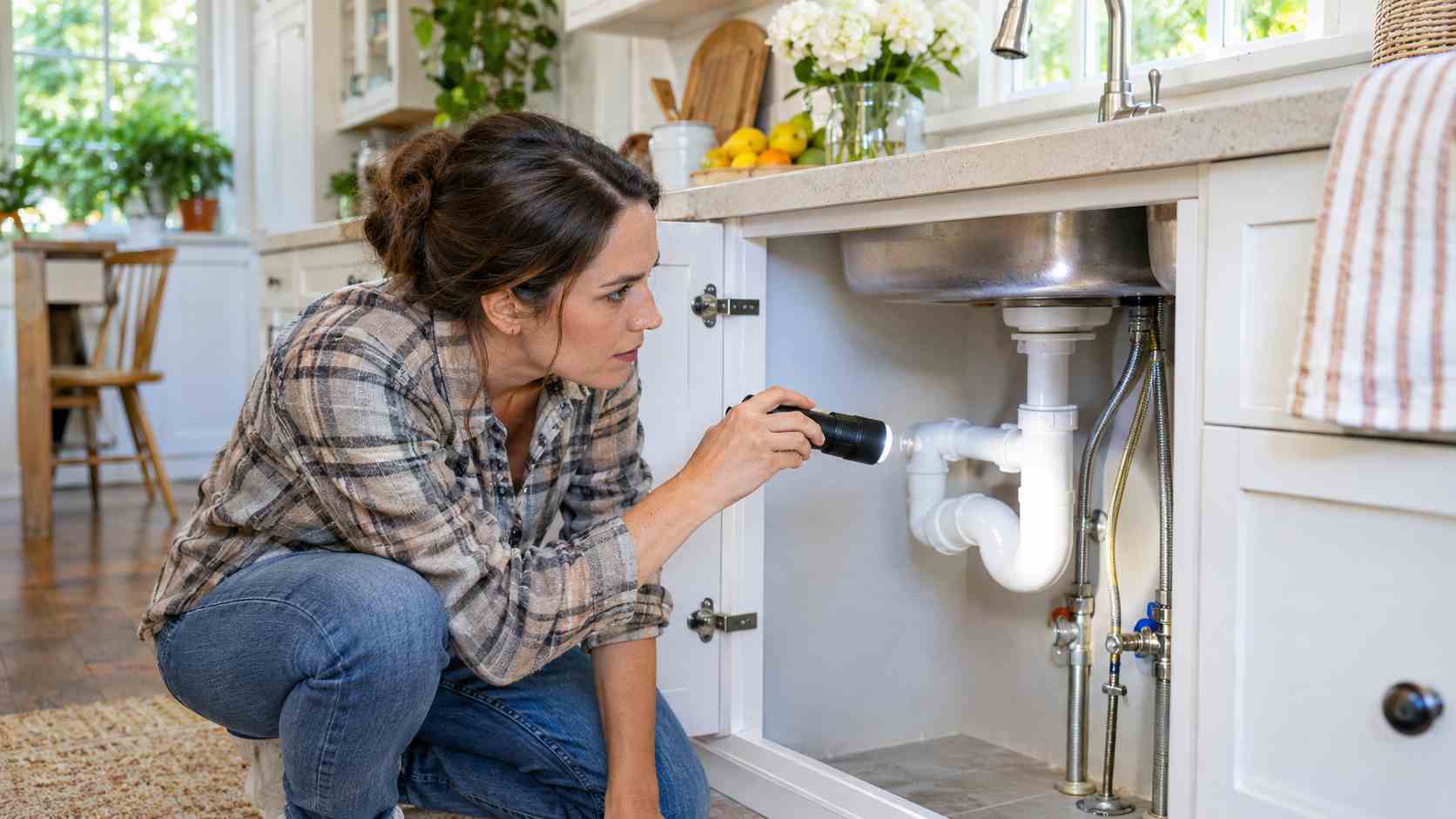
Household plumbing problems often begin with small leaks that remain unnoticed for weeks. Water may collect beneath sinks, behind washing machines, or around bathroom fixtures. Over time, repeated moisture exposure can damage cabinets, flooring, and nearby walls.
Make plumbing inspections part of your monthly household routine. Examine visible pipes, faucets, toilets, and appliance connections. Look for dripping water, corrosion, loose fittings, or unusual moisture.
Other warning signs include:
- Unexpected increases in water bills without changes in household use.
- Musty odors inside cabinets or enclosed spaces.
- Discolored walls, peeling paint, or warped flooring.
- Water stains around toilets, sinks, and appliances.
Knowing where the main water shutoff valve is located can also prevent additional damage during an emergency. Show responsible household members how to operate it safely. If a leak involves concealed pipes or damaged fittings, arrange for a qualified plumber to investigate.
2. Maintain Roofs, Gutters, and Downspouts
Roofs provide an important barrier against rainwater. However, missing shingles, damaged flashing, and blocked gutters can allow water to enter the home. Problems may become noticeable only after several days of rainfall.
The EPA recommends cleaning and repairing roof gutters regularly as part of household moisture prevention. Gutters should direct rainwater toward downspouts, which carry it away from vulnerable areas around the foundation.
Inspect gutters for accumulated leaves, branches, and other debris. Check whether downspouts remain securely connected and discharge water away from the house. During inspections from the ground, look for visible roof damage and water stains beneath the eaves.
After severe storms, examine ceilings and attic areas for moisture, provided these spaces are safe to enter. Dark patches, damp insulation, and peeling finishes may indicate roof leaks.
A professional roofing inspection is advisable when damage is suspected. Homeowners planning repairs or upgrades should also consider the durability and moisture resistance of replacement materials. Choosing high-quality materials for home renovations can help reduce premature wear and frequent maintenance, particularly in areas exposed to heavy rainfall. Proper installation and regular inspections remain important for protecting the home against water intrusion.
3. Improve Drainage and Monitor Flood-Prone Areas
Water accumulating around a home can eventually reach foundations, crawl spaces, and lower living areas. Poor drainage may result from compacted soil, blocked outdoor drains, or landscaping that directs rainfall toward the building.
The EPA recommends ensuring that surrounding ground slopes away from the foundation. This helps reduce standing water near exterior walls.
Families can take several preventive steps:
- Remove leaves and debris from outdoor drainage channels.
- Keep drainage openings clear before heavy rainfall.
- Observe where water collects after storms.
- Consider professional drainage improvements when pooling persists.
Regional conditions also influence household preparedness. The National Weather Service identifies flash flooding, river flooding, and tropical systems among Georgia’s flood hazards. Properties near streams, low-lying roads, or poorly drained neighborhoods may require additional precautions.
Homeowners should review local flood information and monitor official weather alerts. Where appropriate, protective measures may include relocating valuable belongings, installing backwater valves, or improving drainage around the property.
4. Control Indoor Humidity and Address Condensation
Water damage does not always begin with visible leaks. Moisture can accumulate indoors through cooking, bathing, laundry, and inadequate ventilation. Condensation may then develop on windows, pipes, and colder wall surfaces.
The EPA advises maintaining indoor relative humidity below 60%, ideally between 30% and 50%. A household hygrometer can help families monitor these conditions.
Use bathroom exhaust fans during showers and kitchen ventilation when cooking. Air conditioners and dehumidifiers may help control moisture when outdoor conditions are humid.
Pay particular attention to enclosed spaces, including closets, storage rooms, and areas behind large furniture. Persistent condensation, musty smells, or dark patches deserve investigation.
When clean water leaks occur, prompt drying is important. The EPA advises drying affected materials within 24 to 48 hours whenever possible to reduce the likelihood of mold growth.
If moisture continues despite ventilation and cleaning, investigate possible hidden leaks or insulation problems rather than repeatedly treating the visible symptoms.
5. Prepare an Emergency Response Plan for Household Members
Even well-maintained homes can experience unexpected water emergencies. Broken supply lines, severe storms, and rapidly rising floodwater may require immediate decisions.
A household emergency plan helps family members understand their responsibilities without unnecessary confusion.
The Federal Emergency Management Agency (FEMA) recommends identifying evacuation routes, preparing emergency supplies, and protecting important documents before flooding occurs.
Your family plan should identify:
- Safe exits and designated meeting locations.
- Emergency contacts and local weather information sources.
- Locations of water and electrical shutoff controls.
- Essential supplies, medications, and pet necessities.
During a plumbing emergency, shut off the water supply if it is safe. Move unaffected belongings away from spreading water. However, never touch electrical equipment while standing in water.
The Centers for Disease Control and Prevention (CDC) warns that floodwater may contain harmful contaminants and dangerous debris. Keep children and pets away from affected areas. Follow evacuation instructions and contact emergency services when immediate danger exists.
6. Keep Records of Property Maintenance and Water-Related Damage
Good documentation makes household maintenance easier to manage. It also provides useful information when arranging repairs or reviewing insurance coverage.
Keep records of plumbing inspections, roofing repairs, drainage improvements, and appliance servicing. Include dates, contractor details, photographs, and receipts whenever possible.
The Insurance Information Institute recommends maintaining a home inventory with photographs, descriptions, and proof of value. Such records can help homeowners explain property losses when filing insurance claims.
After water intrusion, photograph visible damage once the area is safe. Record affected rooms, damaged belongings, and temporary protective measures. Contact your insurer promptly to understand documentation requirements.
Store digital copies in secure cloud storage or another location outside the home. Review your insurance policy carefully, since standard homeowners coverage generally excludes flooding caused by rising surface water.
Building a Safer Home Through Everyday Prevention
Protecting a family home from moisture damage rarely depends on one major improvement. Consistent inspections, proper drainage, humidity control, and emergency planning work together to reduce preventable problems.
Start with manageable tasks, such as checking plumbing connections, clearing gutters, and reviewing emergency contacts. Encourage household members to report unusual moisture or water stains immediately.
Regular attention cannot eliminate every weather-related risk. However, early detection and safe responses can limit damage, protect belongings, and help families maintain comfortable living spaces throughout the year.